The Deeper Need for Healing
When I started writing this post almost three months ago, I’d intended to share some insight around how horticulture therapy can play a positive role in offsetting the stress and emotional effects we often encounter as a result of subfertility. I didn’t realise just how much more I would need to lean into gardening as a healing tool during the subsequent weeks and months that unfolded. It’s strange how simple the idea of healing, finding balance and practicing mindfulness seemed when the proximity of my grief from past losses was filtered by the distance of time. However, three months later, I sat down to write in the midst of fresh wounds while making slow and laboured daily efforts to mend my body and broken heart. As a result, these words have flowed with deeper meaning to me than they may have before, their gravity weighted with the debris of a more immediate and intimate experience.
You see, I fell pregnant during my Feb/March cycle, a beautiful unexpected blessing that happened at a time when I was having a crisis in faith around the possibility of it becoming a reality. Naturally, I was overjoyed and the initial weeks were nothing short of magic. My HCG levels were good, and I was nurturing myself and my baby through morning sickness, fatigue and a whole host of early pregnancy symptoms. However, just when I started allowing myself to relax into the idea that everything was finally working out, we discovered that it was an ectopic pregnancy. That was probably the most devastating blow I’d ever been dealt. To see the thriving little angel I’ve dreamt of for so long looking so full of life with her tiny heart beating fiercely and knowing that it was all going to have to end seemed so cruel and unfair. I fought hard against accepting it. I requested a second scan the next day hoping it would reveal that my doctor was mistaken, but it only confirmed what I’d already been told – that my baby was implanted in my right fallopian tube instead of my uterus, the tube was ruptured and I was bleeding internally. As a result, I ended up having a laparoscopic salpingectomy and my right fallopian tube was removed. I lost my baby along with a piece of my fertility.
“My garden has helped me get through difficult circumstances on many occasions. It has sustained me through a divorce, nurtured me after surgery, eased my stress during times of devastating disappointment, and sustained me through depression and grief. ”
~ Connie Goldman & Richard Mahler
Ectopic Recovery… and What Horticulture Therapy has to do with it
Those first two and a half weeks post-surgery were quite easily the hardest I’ve had to live through. And I’m not exaggerating. I honestly thought that I’d never get over the heartbreak, that I wouldn’t be able to lift the relentless and debilitating sadness that permeated every waking moment. It scared me how low I felt. I was frightened that this would be my permanent state of being, and I struggled with the idea of not knowing how to be okay again. I had thought I’d understood loss because I’d miscarried before. I’d expected that this time it would be easier for me to endure. I was wrong on both accounts. It was bewildering to discover how different experiencing an ectopic pregnancy loss was from a miscarriage, how much more jarring and devastating it was on all levels.
It was clear to me that I needed help to move through the depressive and unfamiliar space I felt lost in. So, I reached out for assistance, found supportive people to talk to and did some energy healing. I decided to create a “40 Days of Healing” process for myself in order to consciously take small day-to-day actions that supported my wellbeing and helped me heal from the loss. In the midst of reaching for guidance, I came across an article with a five step guideline that Gabrielle Bernstein offered to women who are having difficulty conceiving. One of the steps she included was to “Appreciate what’s thriving”. That idea really stuck with me, so I began a daily practice of drawing my focus to all the things around me that were thriving – my marriage, flowers, friendships, vibrant colours, writing opportunities… and, my garden. Mostly, my attention kept going to back my garden, and as a result it became a healing and grounding space where I found the sustenance and strength to navigate a journey that challenged me greatly. The soothing touch of soil, seeds and plants worked their therapeutic magic in my life, and continue to do so.

I was reminded that there is a special kind of soul medicine that comes with nurturing life, with starting cuttings and watching them take root, and with planting winter herbs in the cool wet earth after the rain. Something about the early morning garden that has always filled my heart with its gentle peace. It might be the mystery of those quiet moments where the first light returns slowly to the world, or the way the cool air settles gently on my skin like a soft kiss from a long last friend. It brings me back to my breath. It pulls me out of my head and draws me back into my body, so that it becomes an effortless exercise in mindfulness. The dew soaked grass beneath my feet is comforting. And I’ve always felt like a medicine woman of old times when I gather herbs for tea at sunrise, clip plants and transplant saplings in the stillness beneath the silver-blue sky before the busyness of everyday life sets in.
I discovered soul medicine in the constancy of the bees too. I made it my afternoon meditation to sit in the warm sunny ‘fragrant herbal corner’ of my garden and just watched the bees follow beauty, floating purposefully from flower to flower, gathering nectar from the perennial basil, borage and passionfruit daisies. I internalised their way of being by asking myself how I could mimic their approach to life – How could I purposefully seek out the nectar of life even though I felt at my lowest? How could I drink in the glimpses of sweetness that each daily experience offered even when I didn’t know how to trust in the future?
Slowly, the layers of depression began to lift. I found it easier to breathe through the heaviness. Getting out of bed in the morning became less and less of a struggle. The passing days seemed a little less daunting as I felt more able to tackle everyday tasks again. I’d created an opening, and this made space for the essence of life to flow back in, bit by bit. Healing is a slow process and grief comes and goes in cycles. So I cannot claim to feel completely whole again. I’m not sure that I ever will. But I do feel that the worst is behind me and that I’ve come through something somewhat stunned at the level of inner strength and resilience I’ve unearthed within myself. And I do recognise the powerfully restorative role immersing myself in nature has played in my healing journey. Tending to my garden space simultaneously allowed me to tend to and nurture my inner self and my wounds.
“Gardens also provide a safe haven in which to heal and renew ourselves… In a garden, we can restore our inner harmony and balance as we gain some measure of control over our lives.” ~ Connie Goldman & Richard Mahler
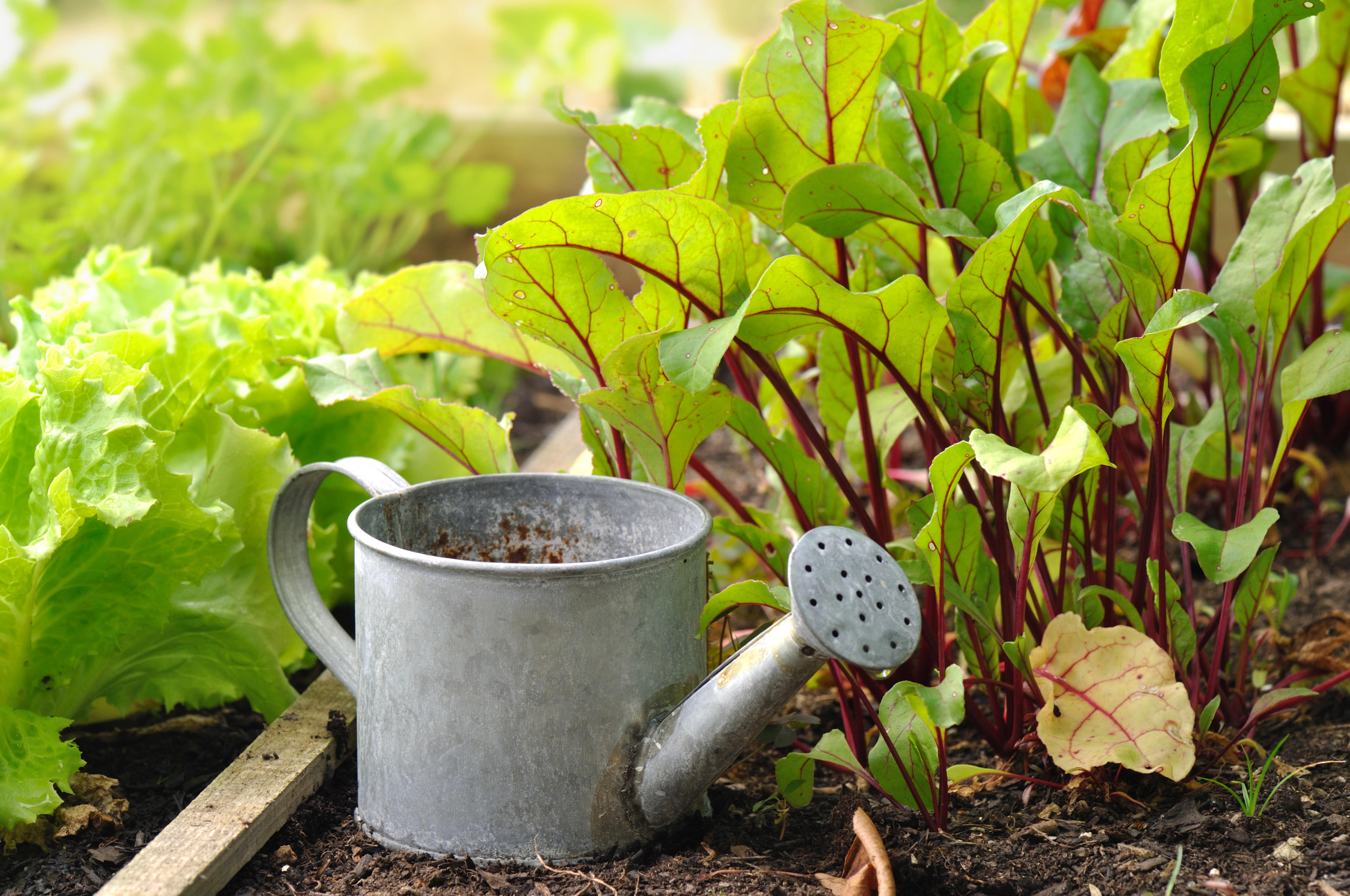
Gardening as Medicine for the Body and Soul
My experience with horticulture therapy is not unique. People such as the renowned gardening personality, Monty Don, have been vocal about how gardening has helped with his depression struggles. There is science to back it. Research shows that exposure to the microbes in soil has mental health benefits, and that sunlight, fresh air and the light exercise we get while gardening also boosts our moods, relieves stress and anxiety, and aids relaxation.
Going further, horticulture therapy has been recognized as a treatment modality under the umbrella of psychological since the 19th century and looking back at its ancient roots supports the fact that this is a time proven practice. Early documents and literature tell us that the first known healing gardens date back to approximately 10,000 years ago, in 2000 BC Mesopotamia. Gardens were used for their aesthetic and therapeutic function in ancient Chinese and Japanese culture. Healing gardens were also a prominent feature in many monasteries who offered curative treatments to surrounding communities during the middle ages in Europe. In more recent times, the rehabilitative care of hospitalized war veterans in the 1940’s/50’s facilitated the expansion and acceptance of horticulture therapy as a remedial practice. It is applied quite successfully as therapy for children, the elderly, Alzheimer’s patients and anorexia patients in various treatment facilities around the world, engaging patients in tactile and sensory activities that improve their sense of wellbeing.
“When I see my garden flourish, I regain my resilience, my balanced perspective, and my peace of mind. The garden has proven itself as my best medicine, my partner in recovery and restoration. Through gardening, I can always find my way back into a healthy resonance and a satisfying harmony with the world.”
~ Connie Goldman & Richard Mahler
Horticulture Therapy in the Context of Subfertility
I came across a moving article by Lucy Chamberlain, who wrote about how gardening provided her with a lifeline in the midst of subfertility and failed IVF. Lucy’s story resonated on various levels, and it reaffirmed my belief that the experience of tending to garden life brings with it a quiet sense of inner peace and joy that my life would be empty of otherwise. Perhaps it feeds that natural desire to create new life and the satisfaction of seeing things growing and thriving. It offers the breathing space to anchor oneself in the present and to feel held by the mothering energy of nature. This sometimes make me think of ‘Serena Joy’ in Margaret Atwood’s ‘The Handmaid’s Tale’. In Atwood’s novel, which is considered a feminist masterpiece, the garden is referred to as “the domain of the Commander’s wife [Serena Joy]” It’s an interesting coincidence that Atwood relied on this symbolism with Serena Joy, a woman who is unable to have children and who is often seen in her greenhouse nurturing and potting flowering plants in the TV series adaptation. Gardening is her therapy and I suspect that for her, as is the case with me, growing things is a fulfilling way to create and nurture life at a time when her body is unable to.

Creating Your Own Therapeutic Gardening Practice
Does the idea of horticulture therapy resonate with you? If it’s something that you would like to explore, then it’s worth looking for a horticulture therapy support group in your area. If you are unable to find one, then here are some ideas to help you create your own therapeutic gardening practice:
Make your gardening time your therapy: Use your time in the garden as an opportunity to destress and release anxiety. Take deep breaths of fresh air and enjoy the soothing vibrations of your natural space. Enjoy the feel of the soil. Grow plants that are meaningful to you – your favourite flowers and uplifting colours. If you enjoy fresh fragrances, then consider creating a fragrant herbal garden to revel in their healing scents and reap their aromatherapy benefits. Herbs like rosemary, thyme, perennial basil, lemon verbena and scented geraniums are hardy and beautifully fragrant. Investigate growing plants that attract bees, butterflies and birds as this is a good way of inviting garden life and vibrant energy into your space. Put up bird baths, feeders and nesting boxes. Take time to watch things grow and appreciate your space. It is so rewarding knowing that not only are you tending to your garden, but you are nurturing your wellbeing and thus your fertility as well.
Create a Fertility Garden Meditation Corner: Create a space in your garden where you can sit, relax, enjoy the sun and watch the activity in your lively garden unfold. Sit in quiet contemplation, sip some tea and allow yourself to mindfully breathe and observe the simplicity of life. Take time to journal, do a fertility meditation or work with your fertility mantras. Sarah Clark has a lovely free garden inspired fertility meditation available for download on her Fab Fertile website. Notice any messages or lessons that your natural surround may be mirroring to you. Observe the creative power of nature. Draw it all in, reminding yourself of your own body’s creative power and trust your womb’s ability to create new life in the same way.
Bring Nature into Your Home: Get some indoor plants and flowers. Choose plants that are low maintenance, hardy and easy to tend to. Try your hand at keeping some herbs on a sunny kitchen windowsill so that you can pick them easily and use them while cooking. Get some pretty flowering bulbs, they always make beautiful and uplifting table centerpiece and liven up dreary corners. Plant your indoor plants in places where you will be able to see and appreciate their beauty as they grow. Also consider putting a bird bath or feeder outside a sunny window where you can sit indoors and simple are the sprightly birds at play.